Product strategy · 15 Sept 2026 · 5 min read
A product with nothing to sell
A planning product can create value without taking bookings, payments or commissions. That choice shapes its trust model, content and tools.
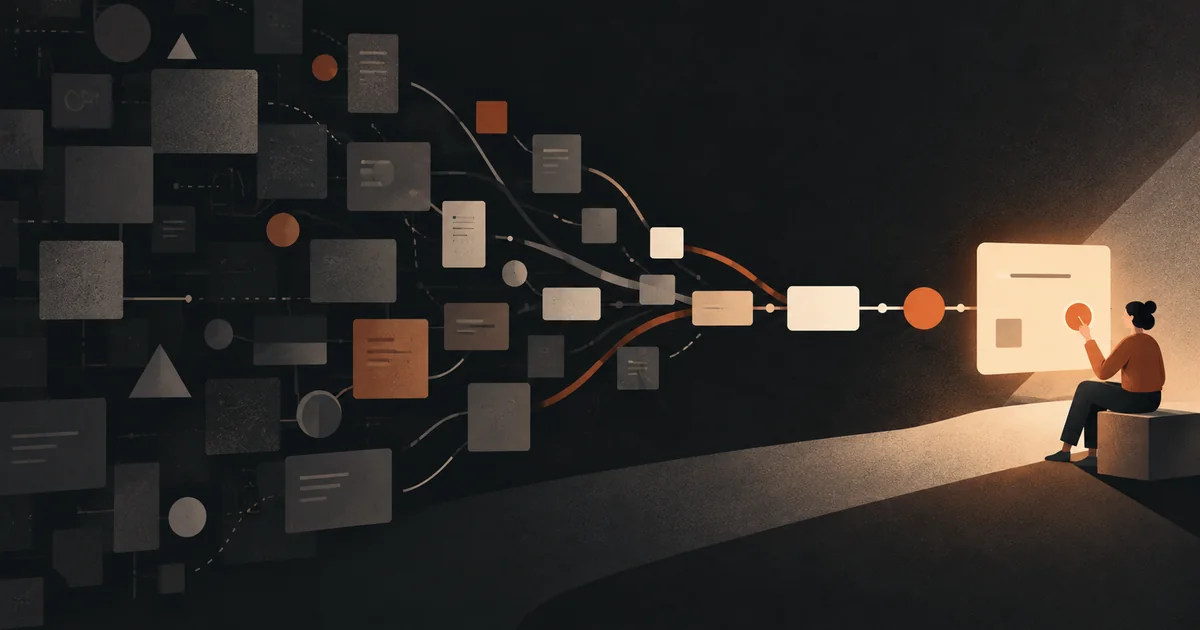
Complex travel packages are hard to compare. Two quotes for the same dates can differ in hotel distance, room sharing, transport and what is actually included. Most information online comes from sellers. A family that wants a neutral answer has few places to look.
A useful planning product can occupy that neutral space. Its first business decision is also its most important product decision: whether it will sell the thing it helps people compare.
No bookings, no payments
The site sells nothing. It takes no bookings, no commissions and no payments. It also needs no account.
This removes the conflict of interest. A guide can say that a cheaper shuttle hotel is a fair choice for a family with older parents. A quote checker can point out that an offer leaves out transfers. Nothing on the site benefits from steering the reader one way.
Neutrality is not a policy here. It is the product.
Tools that follow the decisions
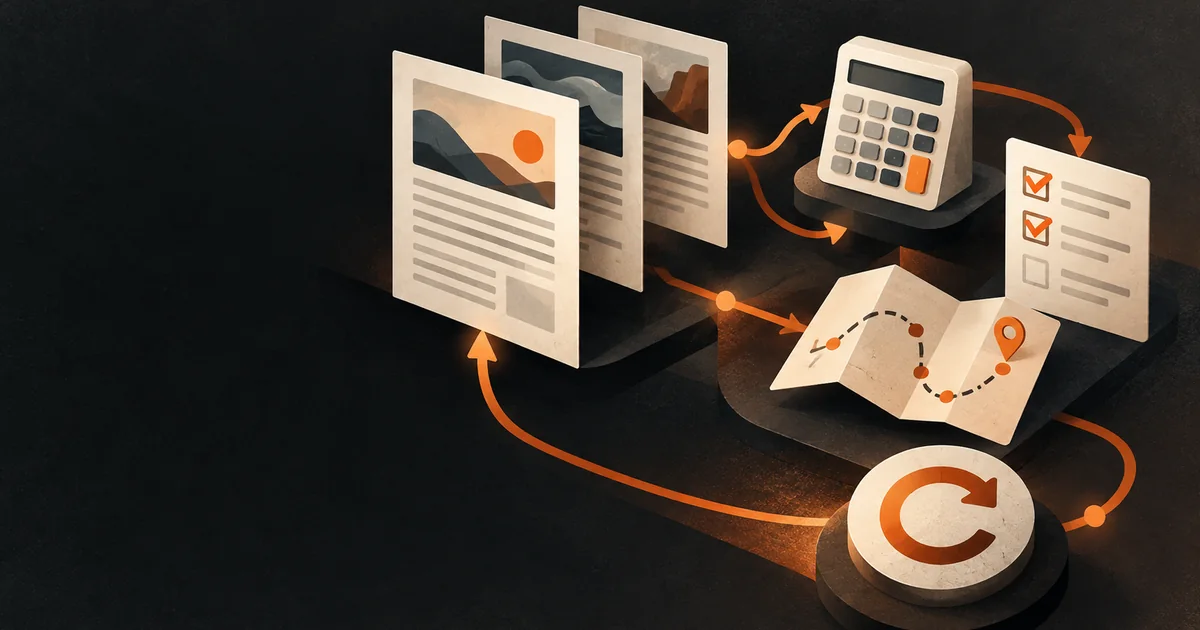
Content alone is easy to ignore. We paired each decision with a tool.
- Quote checker. Check one quote for missing promises, or compare up to three offers on the same terms.
- Trip planner. A three-step flow collects dates, room needs and transport choices. The family downloads a plan and takes it to any agent.
- Budget worksheet. A place to plan the cost of the whole trip, not only the package price.
Guides sit around these tools in the order a family makes its decisions: package or self-booking, which hotel area, which room size, walking distance or shuttle, train or private transfer.
Choose the business model before the interface
Many teams postpone the revenue question. They design a helpful comparison experience, attract an audience and only then decide whether commissions, sponsored placements or lead fees will pay for it. By that point, the interface already implies neutrality. Adding commercial incentives later creates a conflict the design cannot explain away.
The safer order is to decide what the product must never compromise, then choose a business model that respects that boundary. A neutral planning tool might be funded by a separate service, a clearly labelled membership, research, or simply as a useful public resource. None of those options is automatic, but they make the trade-off visible before users have to discover it themselves.
This decision also changes the metrics. A marketplace measures transactions and revenue per visitor. An independent planner should care more about completed plans, return visits, exports and recommendations. Measuring the wrong outcome will eventually pull the product toward the wrong behaviour.
Hand off well
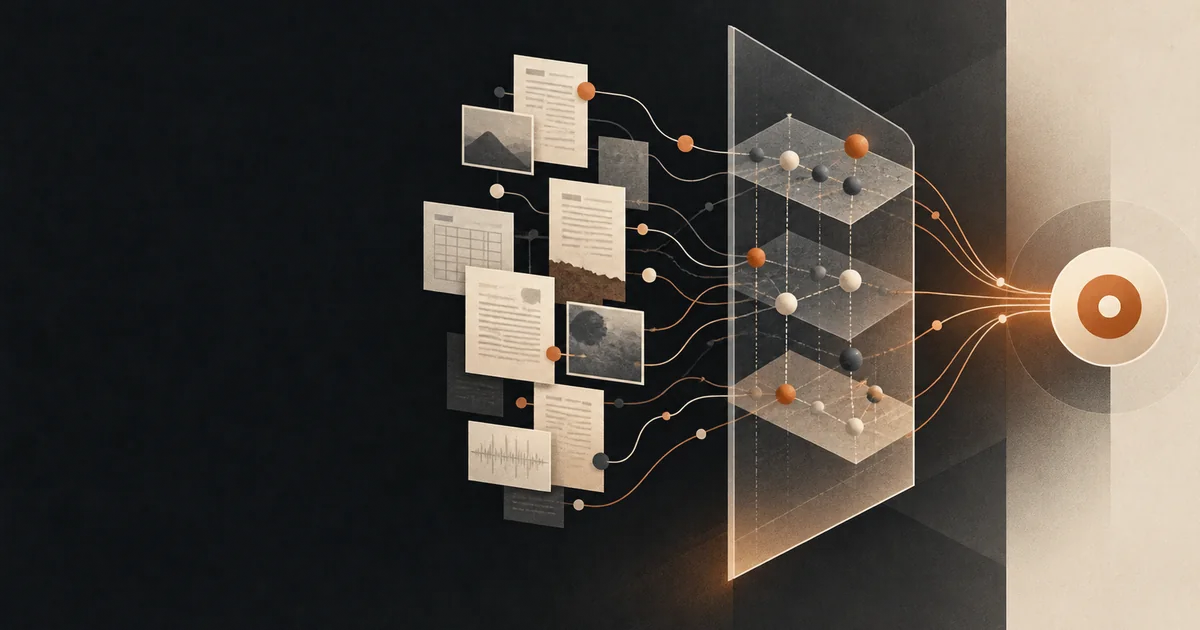
The trip planner does not replace the travel agent. It gives the traveller a clear brief to hand over, so the quotes that come back match the family’s real needs. The agent gets a better customer. The family gets comparable offers.
That boundary matters. Good software does not have to own the entire journey. It can improve one difficult hand-off and then get out of the way. A downloadable brief, comparison table or checklist can be more valuable than another account, inbox and proprietary workflow.
Design consequences of staying independent
Independence affects small interface decisions. Results should not be sorted by commercial value. Recommendations should explain their reasoning. Sponsored material, if it exists at all, needs unmistakable labelling. The product should allow a person to leave with their work instead of trapping it behind an account.
The writing changes too. A sales-led site tends to end every guide with the same conversion. A neutral product can end with the action that is best for the reader: ask a better question, download a plan, compare another quote or speak to a qualified professional. That makes the content more useful and, over time, more likely to earn links and repeat visits.
Search traffic also becomes more durable. Pages built around real decisions can answer specific questions without forcing every query toward a transaction. The product earns attention by being consistently helpful, not by turning every visitor into a lead.
What we learned
Pick one moment and make it clearer. The site focuses on the decisions a family makes before it books. It does not try to cover the whole journey.
Independence has to be structural. You cannot claim neutrality and also sell packages. Removing the revenue removed the doubt.
Content plus tools beats content alone. A guide answers a question once. A tool gets used again, and gets shared.
A useful boundary is a product feature. Saying “we do not book, sell or rank providers” removes uncertainty. It tells the reader exactly what kind of help to expect.
Portable output creates trust. Let people download, print or share what they make. A product that is confident in its value does not need to hold the work hostage.
If you are planning a content site, ask what the reader has to decide, and build the small tool that helps them decide it.